

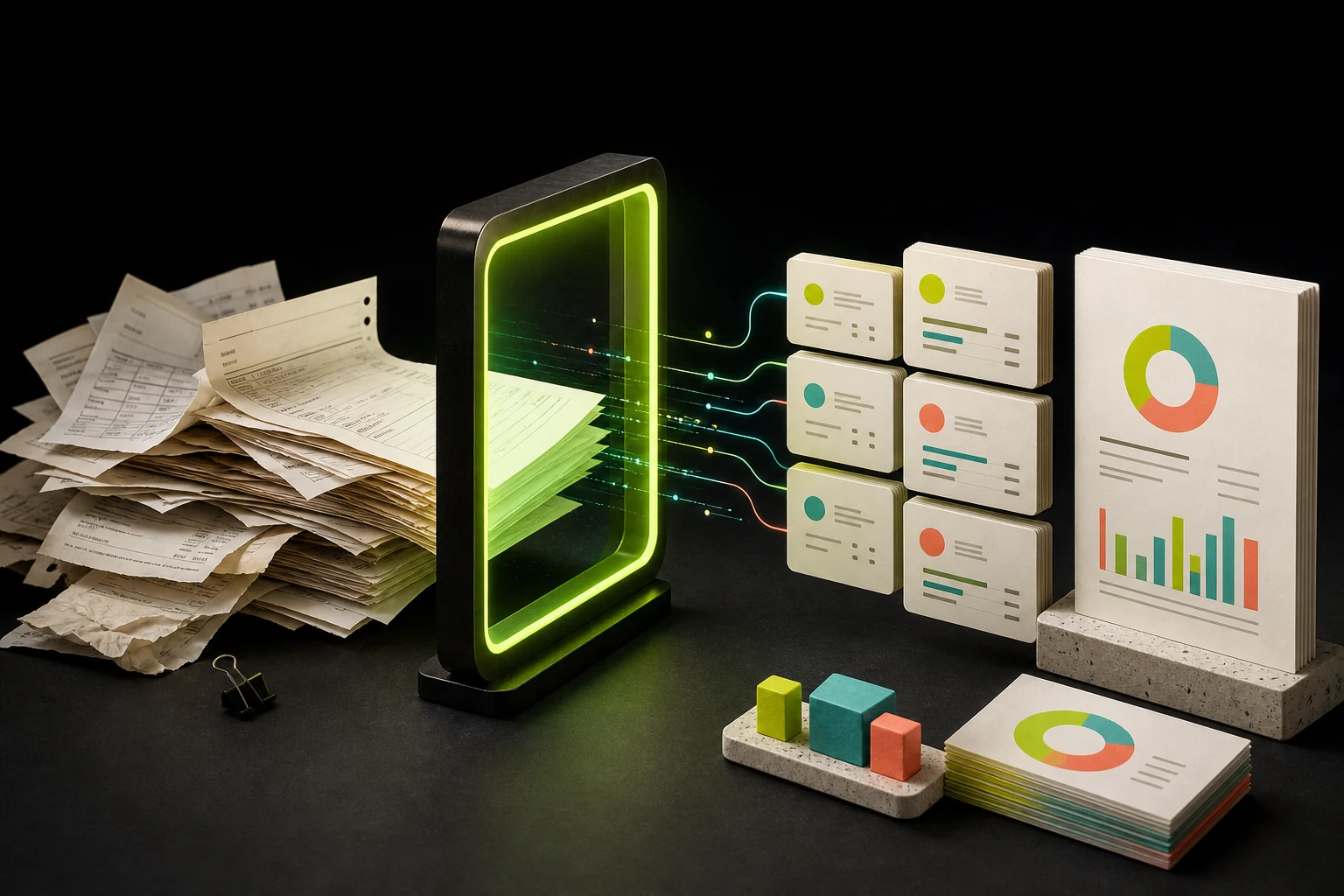
Case 01NonprofitInvoice Processing
Texas nonprofit invoice processing
Receipt and invoice processing moved from a monthly manual slog to a working AI-assisted workflow.
- manual monthly processing
- 3 days
- after automation
- 2 hours
Case study 03
A deep learning system that finds lung nodules in chest CT scans and scores how suspicious they look, built and audited in-house.
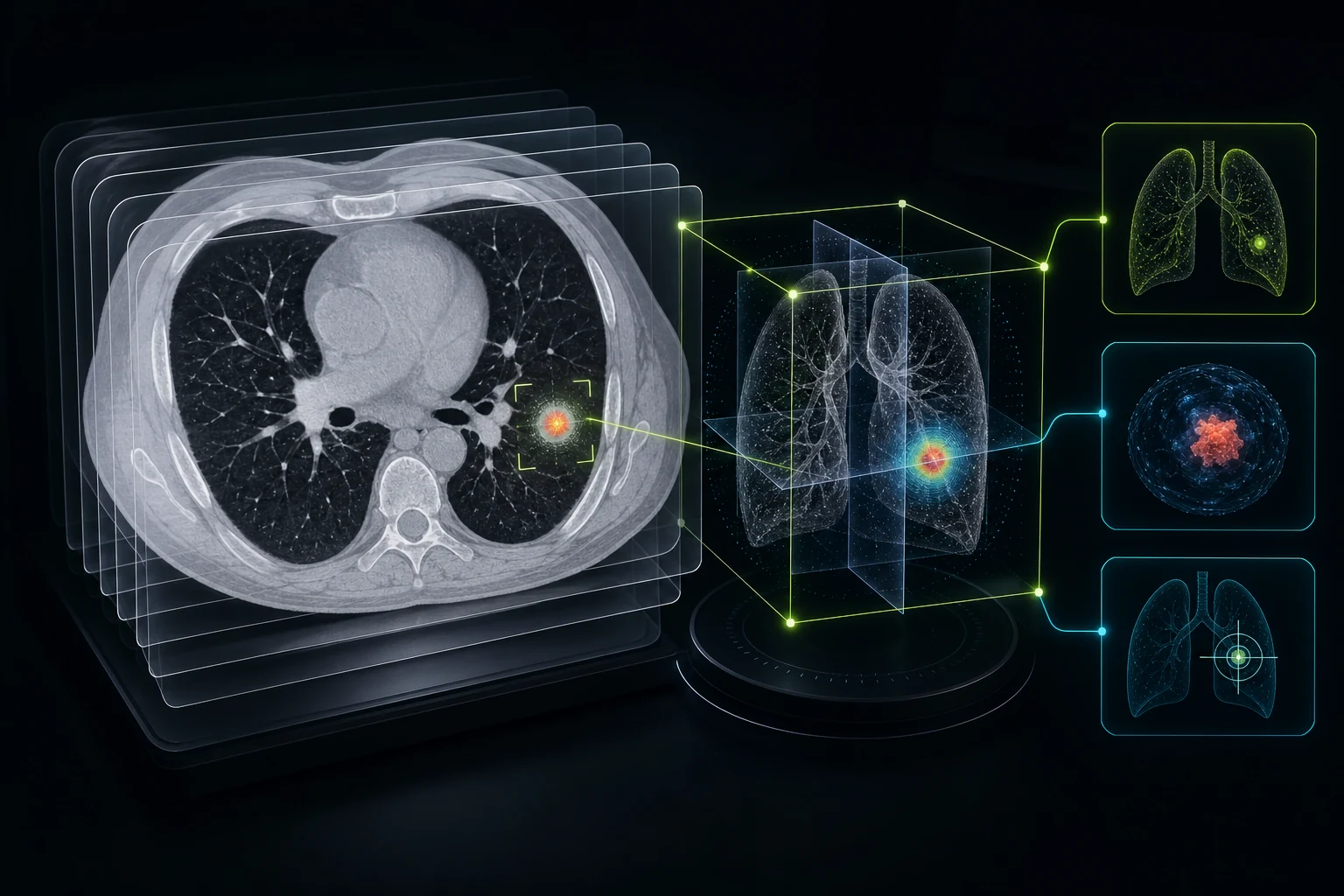
Reading chest CT scans for lung cancer screening means working through hundreds of image slices per patient, where an early catch changes outcomes and a missed nodule can cost a life. Enzzero built a deep learning system that automates the first pass: find the nodules, score how suspicious each one looks, and show the evidence behind every call.
On the held-out test set (88 patients the model never saw during training), detection reached an AUC of 0.997 with 97% patch-level accuracy. Malignancy predictions landed within about 0.9 points on the 1 to 5 clinical scale, inside the 1 to 2 point range where expert radiologists disagree with each other on the same nodule.
This is a research system, not a cleared medical device. When we audited it at whole-scan level on an independent external dataset, performance dropped below what deployment would demand, so the same report publishes those audit numbers and the retraining they triggered. That is the standard we hold every build to: measure honestly, publish the audit, improve what the audit exposes.
Most of our work saves teams hours. This build shows what the same discipline looks like when the stakes are clinical: reference datasets, adversarial evaluation, and predictions a reviewer can interrogate instead of a black box.
This system was researched, trained, and audited end to end by Ahura, one of Enzzero's engineers.
See how Enzzero approaches custom AI development.
More proof
Receipt and invoice processing moved from a monthly manual slog to a working AI-assisted workflow.
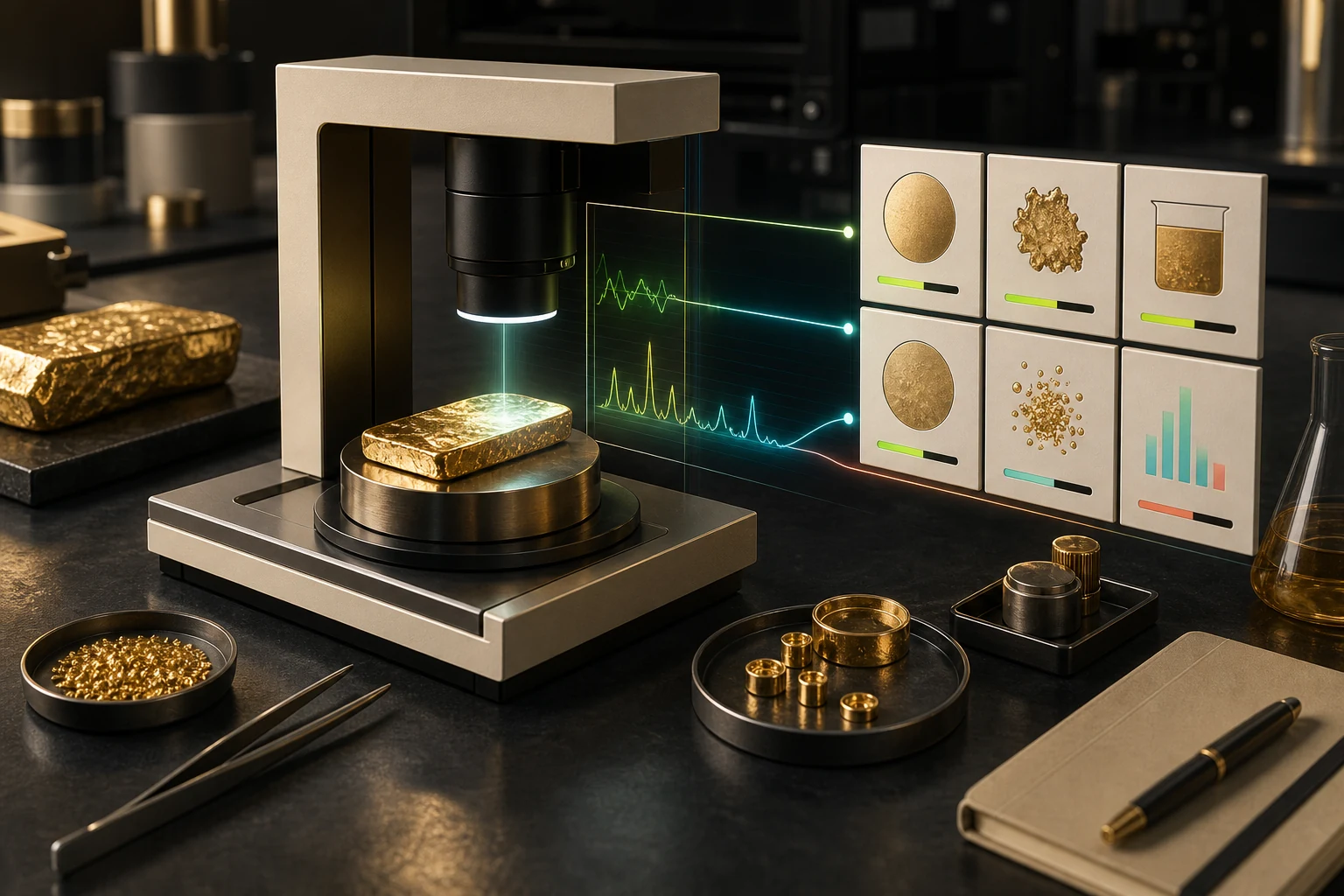
A daily finance workflow became faster and easier to run with AI-assisted checking.
Last page · final invitation
A free first session. No deck, no pitch. We find the one workflow worth automating in your business and tell you, honestly, whether AI is the answer.
aland@enzzero.com · Houston, TX